
If you love the look and feel of a vintage guitar but don't love vintage…
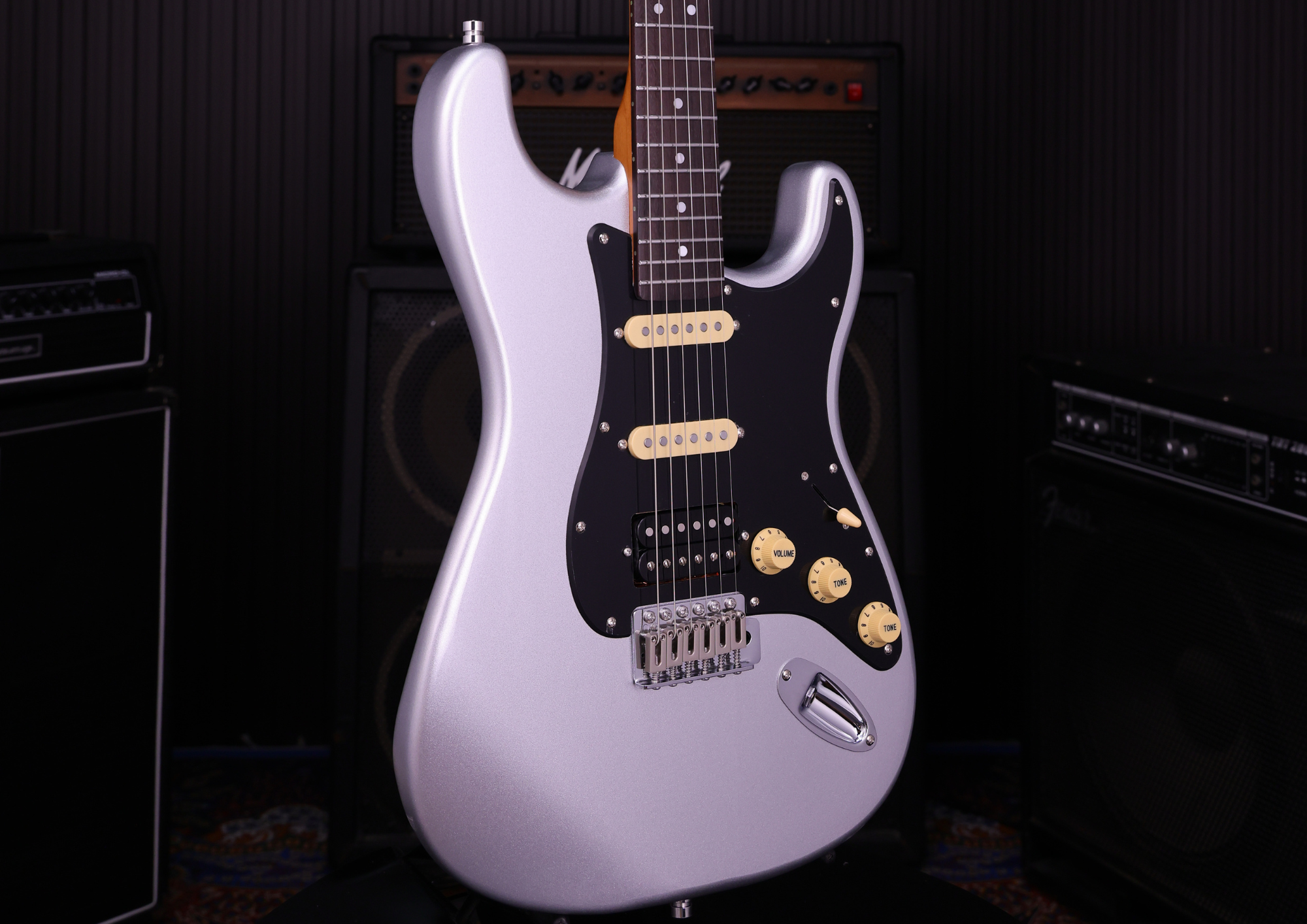
How to Look After a Nitro Finish Guitar
We’ve already written about why every Patina wears a genuine nitro finish. (If you missed it, start with Why Nitro Finish Electric Guitars Feel Different.) This post picks up where that one left off: what to do once the guitar is home.
A nitro finish isn’t fragile. It just plays by different rules from the poly finish on most guitars. It’s thinner and softer, and it reacts to the world around it. That’s exactly what lets it wear and check over time, and it’s also why a few everyday habits matter more than they would on a poly guitar.
The aim isn’t to stop your Patina from ageing. It’s to make sure it ages from playing, not from the wrong stand or a cold car. Here’s what that looks like in practice.
The one rule that matters most: watch what it rests on
If you only remember one thing from this post, make it this one.
Nitro can react with some rubbers, vinyls and foams. Many guitar stands, wall hangers and even some straps use materials that, left in contact with a nitro finish for long enough, soften it and leave marks that won’t polish out. It’s not instant. It’s the guitar sitting on the same stand for weeks at a time that does it.
- Use a stand or hanger labelled nitro-safe. Most major brands make one, and they’re no more expensive.
- Not sure about your stand? Drape a soft cotton cloth over the cradle and neck rest. Cheap, simple, and it works.
- Check your strap, especially vinyl or rubber-backed ones. Leather, cotton or fabric straps are the safe choice.
- Don’t store it leaning against things for long periods, whether that’s an amp, a sofa or another guitar.
Mind the temperature
Nitro is thin, and it doesn’t stretch the way the wood beneath it does. Sudden temperature changes make the wood move faster than the finish can keep up with, and that’s what causes checking.
Natural, gradual checking over the years is part of the character. Sudden checking because the guitar went from a freezing car boot into a warm house is a different story.
- Let it acclimatise. On cold days, leave it in its case or gig bag for a while when you bring it inside, and give it time to come up to room temperature before you open it.
- Don’t leave it in the car. Hot or cold, a parked car is the worst place for any guitar, nitro or not.
- Keep it away from radiators, fireplaces and sunny windows.
- Aim for steady humidity. Around 45–55% is comfortable for most guitars. Our quarter-sawn roasted maple necks are very stable, but the body and finish still appreciate not being dried out by central heating all winter.
Cleaning: less is more
The best thing you can do for a nitro finish is not much at all.
- Wipe it down after playing with a dry, soft microfibre cloth. That removes sweat and oils before they settle in.
- For anything stubborn, slightly dampen the cloth with water, wipe, then dry straight away.
- Avoid household cleaners, alcohol and solvents. Nitro is a lacquer that softens with certain chemicals, and some cleaners will dull or even damage it.
- Go easy on polish. If you want to use one, pick a product clearly marked as safe for nitro finishes and use it sparingly. Many players avoid silicone-based polishes altogether.
- Don’t fight the wear. Polishing away every dull patch defeats the point. That satin spot where your forearm rests is the guitar becoming yours.
The rest of the guitar is easy. Our stainless steel frets won’t tarnish or pit like nickel, so a wipe is usually all they need. A little fretboard conditioner on the rosewood once or twice a year, typically at a string change, keeps it from drying out.
Cases and gig bags
The same rules apply to storage. Check the lining of your case or gig bag, and if it’s an older case with a rubbery or plastic lining, keep the guitar in a cloth or soft cover inside it.
Take it out of the case now and again too. A guitar that spends months shut away in its case doesn’t age, and it doesn’t get played. Neither is what a Patina is for.
Clean finish or reliced: same care
Our 3 and 4 Series arrive with a clean, unrelic’d nitro finish, ready to earn their own wear. The 6 and 7 Series arrive lightly reliced, with a head start on character. (Not sure which is which? The Beginner’s Guide to the Patina Range explains it.)
Either way, the care is the same. A relic finish is still a nitro finish, and it’ll keep ageing in exactly the same way the more you play it.
Quick checklist
- Nitro-safe stand, or a cloth over the one you have
- Leather or fabric strap
- No long-term leaning on rubber, vinyl or foam
- Let it warm up gradually after the cold
- Never leave it in the car
- Dry microfibre wipe after playing
- No household cleaners or solvents
- Play it. Often.
That last one is the most important. A nitro finish is built to show where you’ve been. Look after it, then go and give it something to show.
Vintage soul. Modern value.
Related Posts