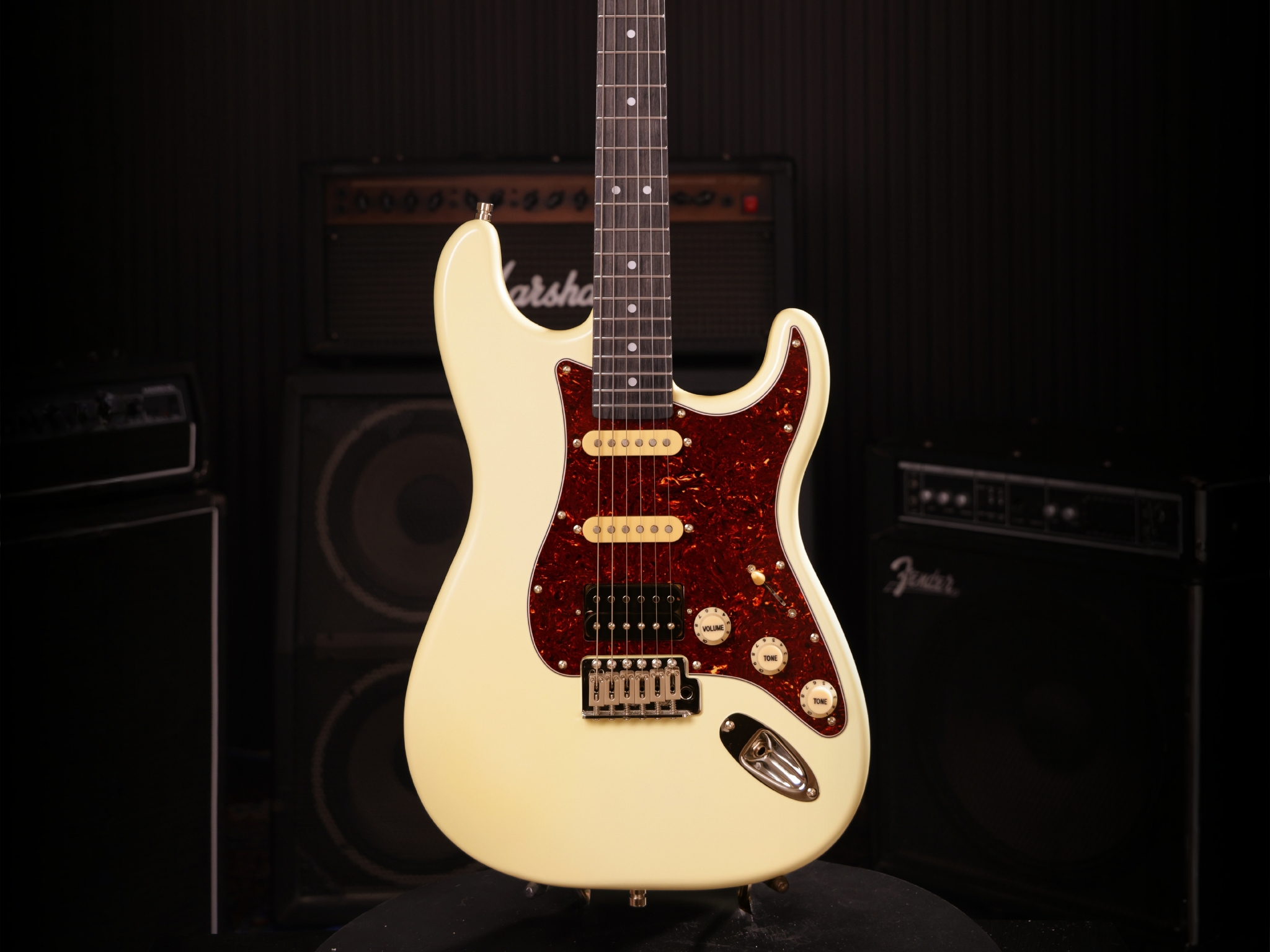
Nitro finish electric guitars are known for their unique feel, tone, and natural aging characteristics…
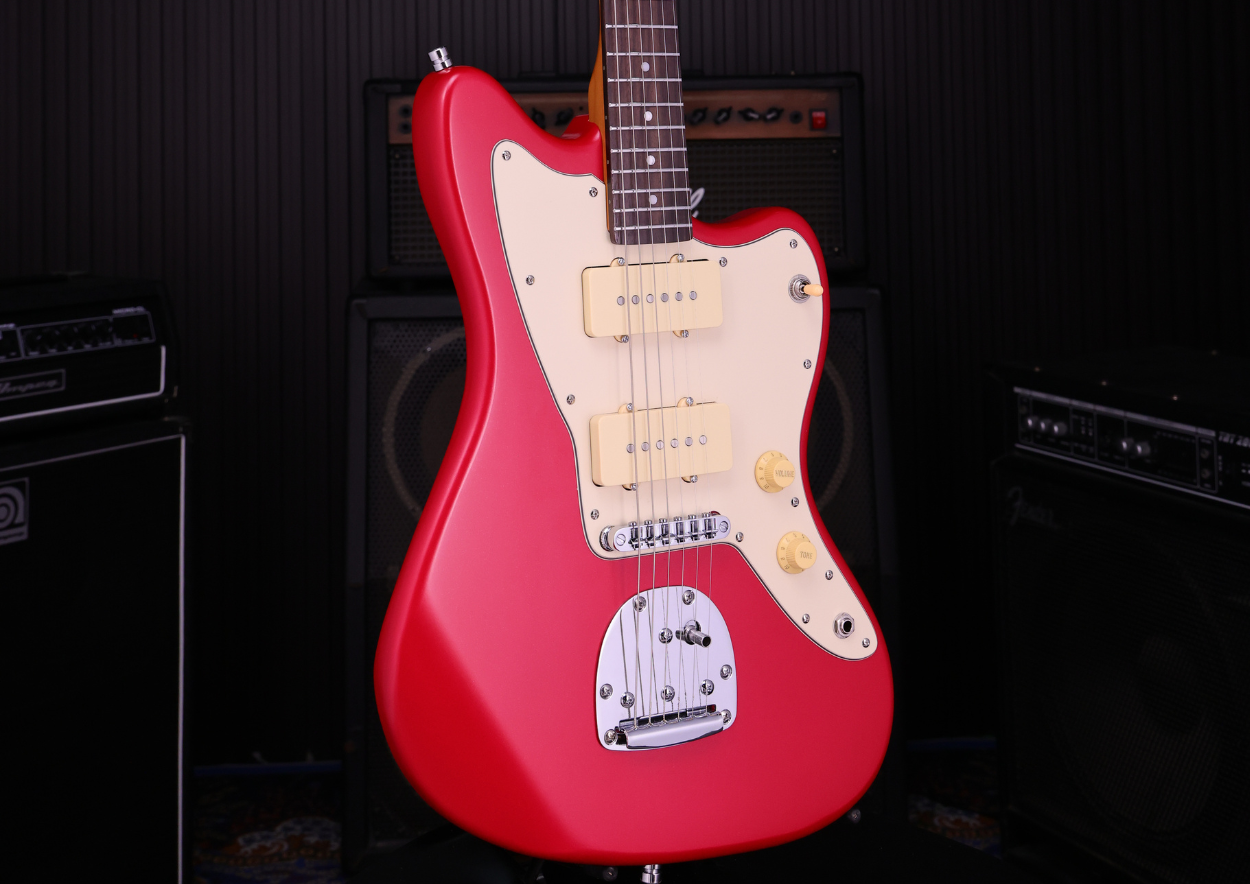
What Makes a Patina Guitar Special?
Short answer: it isn’t one thing. It’s a series of decisions about what to spend money on, and what to leave out.
Plenty of guitars at this price chase a number on a spec sheet. Patina chases the feel in your hands. Those aren’t always the same thing, and the difference is the whole point of the brand.
We left out the stuff you don’t feel
A lot of what you pay for on a guitar has nothing to do with playing it. The badge on the headstock. The marketing budget. The heritage story you’re quietly being charged for. Fair enough if that’s what you’re after.
Patina takes a different view. Strip out the parts of the price that never reach your hands, and put the money where you actually notice it: the neck, the frets, the finish, the pickups.
That’s why a Patina feels like it costs more than it does. Not because we’ve hidden the corners we cut, but because we cut them somewhere you’ll never touch.
The bits we didn’t leave out
Start with the neck. Roasted quarter-sawn maple, because roasting cooks the moisture out of the wood before it ever reaches you. That means a neck that feels broken-in from the first chord and stays put when the weather turns, instead of chasing the truss rod every season. It’s the single thing you feel most, so it’s the thing we won’t compromise on.
Then the frets. Stainless steel, top to bottom. Smoother under a bend, brighter and more consistent, and they’ll outlast the guitar rather than pitting and flattening out after a few years of playing. Most brands save these for their expensive lines. We don’t.
The finish is nitrocellulose, not poly. Thin, so the wood can move and breathe and the guitar actually resonates. It ages properly too: it checks, it wears, it feels like an instrument rather than a phone case sealed under plastic. That’s the point of a Patina, and it’s why we accept the extra work a nitro finish takes to do well.
Underneath it all, custom-wound Alnico V pickups. Wound for character and touch response, not a headline output figure. They clean up when you back off the volume and bark when you dig in, which is what vintage voicing is actually about.
Roasted neck, stainless frets, nitro finish, wound pickups. None of that is unusual on a guitar costing two or three times as much. That’s rather the point.
A guitar that isn’t finished yet
Here’s the part the name is really about.
Patina is the character a thing earns over time. The wear on a well-loved guitar. The checking in an old nitro finish. The spots where years of playing have quietly rubbed a story into the wood.
Most guitars are as good as they’ll ever be the day you buy them. A Patina is built to get better. Play it hard enough, for long enough, and it stops being one of ours and starts being yours. The dings are yours. The wear is yours. The finish ages to a place no factory could fake.
You can buy a relic if you want the shortcut. But the best patina is the one you put there yourself.
Why it matters
Special isn’t a word we throw around, and it isn’t about being the loudest guitar in the shop.
It’s about picking one up, playing a few bars, and having that quiet double-take when you remember the price. It’s the neck that feels right straight away. It’s knowing the money went into the guitar and not the story around it.
That’s what makes a Patina special. Not what we put on the box, but what we left off it, and what you’ll add to it yourself.
But don’t take our word for it. Head to a dealer, pick one up, and you’ll understand in seconds.
Related Posts